

How it Works?
Our Expertise Is Your Solution
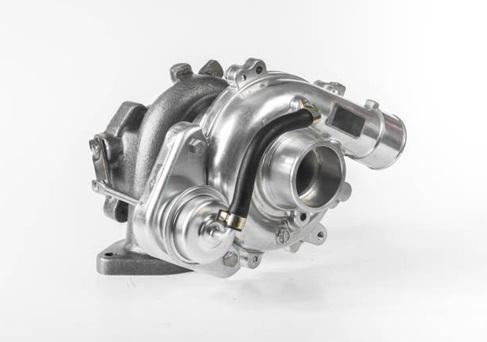
Turbocharger Recondition: Tips For Reconditioning
Turbochargers are remarkable components — high-speed air pumps that help your diesel engine make more power and work more efficiently. But, just like any precision part, they wear out over time. Instead of replacing them outright, you can recondition them — essentially giving them a second life when done right. Here’s how to approach that process in a smart, methodical way.
1. Start with a good diagnosis
Before you begin taking things apart, make sure the turbo actually needs reconditioning. Look for:
Oil leaks
Worn bearings
Damage to the compressor or turbine wheels
This assessment guides your next steps and saves you from unnecessary work.
2. Get the right tools and parts ready
Like any detailed mechanical job, having the proper tools and replacement parts is essential. Precision tools help you measure clearances, and quality components (like seals and bearings) ensure the rebuild lasts.
3. Cleanliness Isn’t Optional — It’s Critical
Turbo internals are delicate. Any dirt or debris that sneaks in during reconditioning can cause imbalance and premature failure. Work in a clean area, and use lint-free cloths and proper cleaning solvents to keep everything spotless.
4. Take it apart carefully and inspect each piece
As you disassemble the turbocharger:
Document each step with photos if needed
Check every part against manufacturer specs
Note any excessive wear or damage
This detailed inspection helps you decide what stays, what’s replaced, and what needs special attention.
5. Clean and replace what needs it
Once disassembled:
Clean every component thoroughly
Replace worn bearings, seals, gaskets and O-rings
Be gentle with turbine and compressor wheels — harsh cleaning can damage them
Fresh parts and clean internals mean better performance after reconditioning.
6. Balance and test
One of the most important steps is balancing the turbo’s rotating assembly. A properly balanced turbo runs smoother and lasts longer. After assembly, conduct pressure and leak tests to make sure performance is up to standard.
7. Check oil and coolant systems
A turbo is only as healthy as the lubrication and cooling systems that support it. Inspect all oil and coolant lines, clean or replace them if needed, and make sure there are no blockages or leaks — this ensures proper lubrication and temperature control.
8. Follow break-in procedures and maintain it well
After reconditioning:
Do a gentle break-in — don’t slam the engine hard immediately
Keep up with regular oil changes and engine maintenance
Monitor how the turbo performs in the first few hundred kilometres
This helps the turbo settle into its renewed condition without stress.
9. When to call a professional
Turbo reconditioning can be complex — especially with modern variable-geometry turbos or intricate electronic actuators. If you’re unsure, it’s worth seeking help from a specialist rather than risking damage.
In Summary
Reconditioning a turbocharger isn’t just about taking it apart and cleaning it — it’s a methodical process that requires attention to detail, proper tools, thorough inspection, and careful reassembly. Done right, it restores performance and saves money compared with buying a new unit.
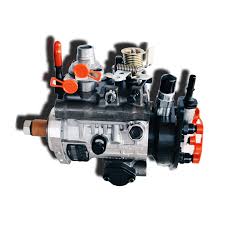
How to Install a Diesel Pump Efficiently
Installing a diesel pump correctly is essential to ensure efficient fuel distribution and reliable performance of your diesel‑powered vehicles. Start by choosing a suitable location that complies with local safety and environmental regulations and allows easy access for servicing. Once the site is selected, prepare a solid, level foundation—typically a concrete pad—to support the pump securely and reduce long‑term wear.
Next, connect the pump to a reliable power source following the manufacturer’s instructions, and make sure it’s properly grounded to avoid electrical hazards. If you’re unsure about the electrical setup, it’s a good idea to consult a qualified electrician. After the electrical work, install the suction and delivery hoses with appropriate fittings and position the dispensing nozzle at a practical height for users.
With the physical components in place, tighten all connections, use sealant tape on threaded fittings, and conduct a thorough check for leaks. Addressing any issues now will prevent fuel loss and operational problems later. Power up the pump and test it, watching for correct fuel flow and pressure, and listen for unusual noises or vibrations that might indicate installation issues.
Ensure that your installation meets all local regulatory requirements and that any necessary permits or approvals are obtained. Keeping documentation helps demonstrate compliance and showcases your commitment to safety standards. Finally, set up a routine maintenance plan for regular inspections and timely repairs so the pump continues running efficiently and lasts as long as possible.
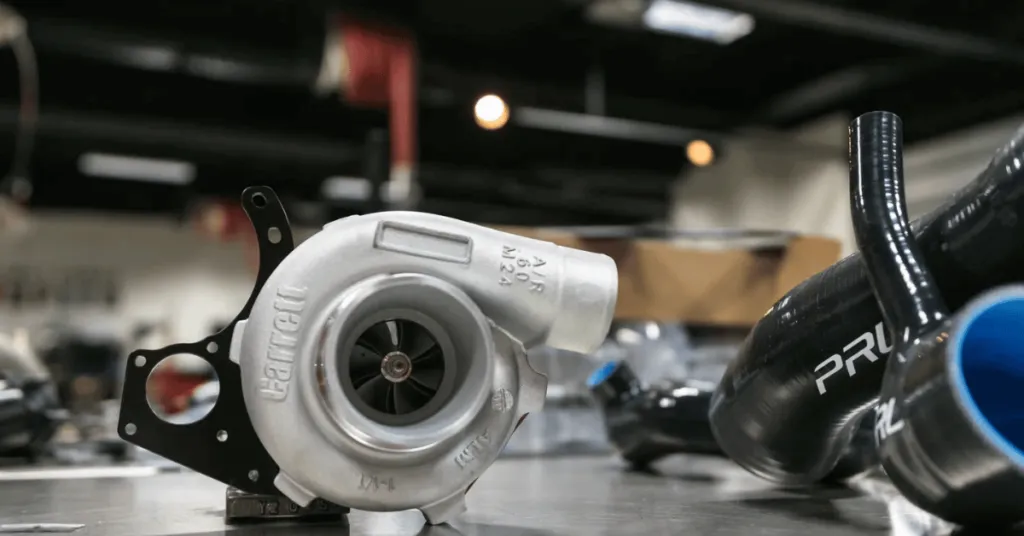
Mastering Turbocharger Reconditioning: Step-by-Step Guide
In this guide, I walk you through what it really takes to properly recondition a turbocharger — not just the steps, but the understanding behind them.
First, I always stress the importance of knowing how a turbocharger works. Before you can repair or restore one, you need to understand its core components and how they function together to deliver boost and performance.
Next comes accurate diagnosis. Reconditioning isn’t guesswork — it starts with identifying the real problem. Whether it’s loss of boost, unusual noises, oil leaks, or worn internal components, pinpointing the issue early prevents further engine damage and saves time and money.
I also highlight how closely your turbocharger is linked to the rest of your diesel system. Faulty injectors, poor fuel delivery, or neglected diesel pumps can all affect turbo performance. You can’t treat the turbo in isolation — the entire system must work together.
When it comes to selecting and installing a turbocharger, I emphasize choosing the correct unit for your engine and following proper installation procedures. Incorrect fitment or poor setup can undo all your hard work.
For those looking to improve performance, I cover upgrade options and tuning considerations to maximize efficiency and power without compromising reliability.
The heart of the guide focuses on the reconditioning process itself — careful disassembly, thorough cleaning, inspection of all components, replacing worn parts, precision rebalancing, and ensuring everything meets proper specifications before reassembly.
Finally, I share practical maintenance advice. Regular inspections, proper lubrication, and addressing small issues early can dramatically extend the life of your turbocharger. In many cases, professional reconditioning is a cost-effective and reliable alternative to full replacement.
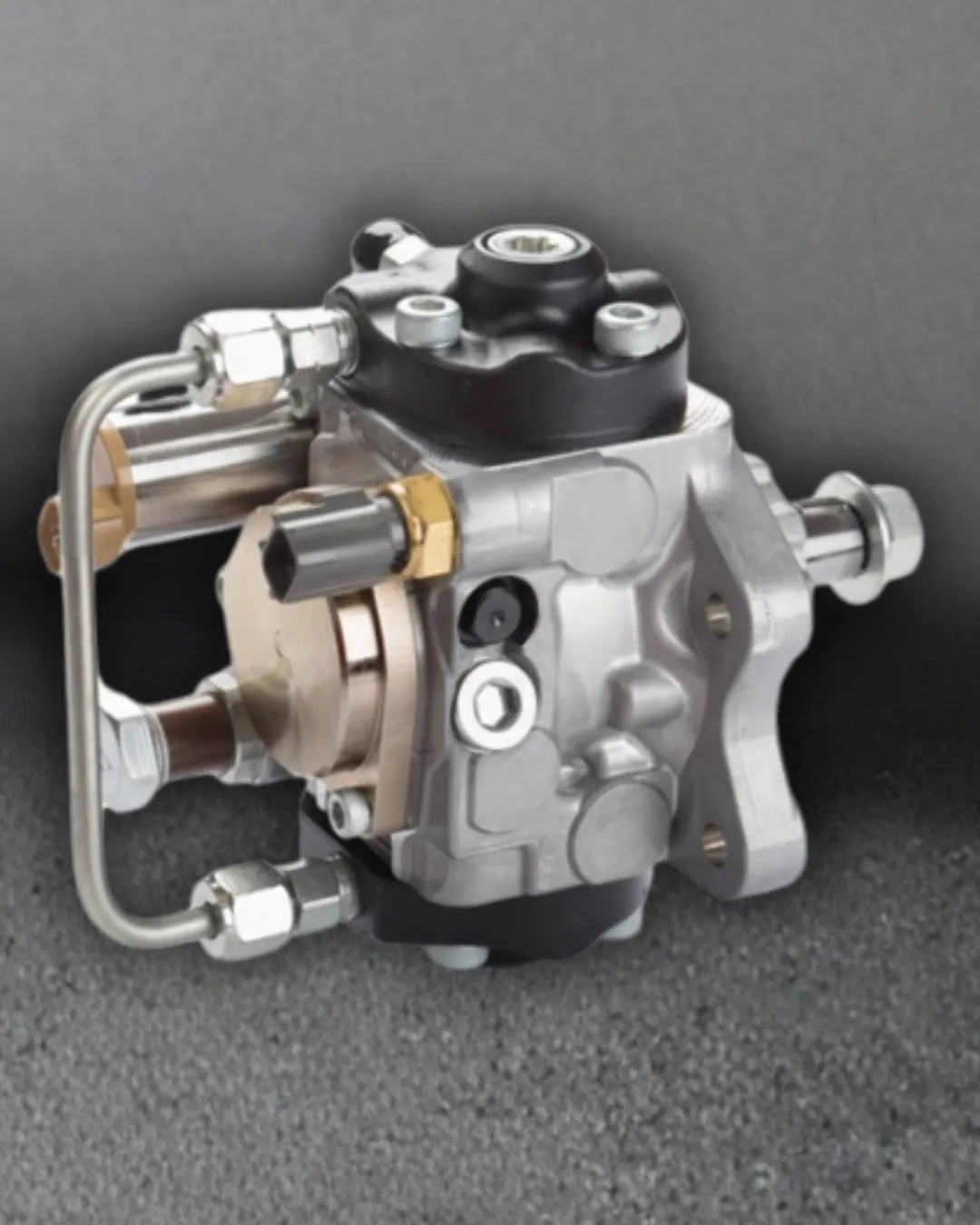
Top 10 Benefits of Diesel Pumps
Diesel pumps are essential in many industries because they combine efficiency, durability, and reliability in demanding environments. They deliver more energy from each unit of fuel, which helps equipment run efficiently and reduces operating costs, and their robust construction means they withstand heavy use over long periods with less downtime. A standout feature of diesel pumps is their high torque at lower engine speeds, giving them the power needed for tough tasks without overworking the engine. Diesel fuel is widely available around the world, making these pumps practical even in remote locations where electricity or other fuels are harder to source. Despite the sometimes higher initial cost of diesel, the overall economic benefits—such as fuel efficiency and lower long‑term operating costs—often make them a cost‑effective choice for businesses. Their versatility allows them to be used across sectors, from water pumping and construction to power generation, and they adapt well to fluctuating workloads without compromising performance. In rural or off‑grid regions, diesel pumps play a vital role in supplying water and supporting irrigation where grid power isn’t reliable, and they also serve as dependable sources of emergency power when needed. Additionally, diesel fuel’s lower volatility reduces ignition risk, enhancing safety in environments where flammable conditions are a concern. Together, these attributes make diesel pumps a trusted and versatile solution for industrial, agricultural, and emergency applications.
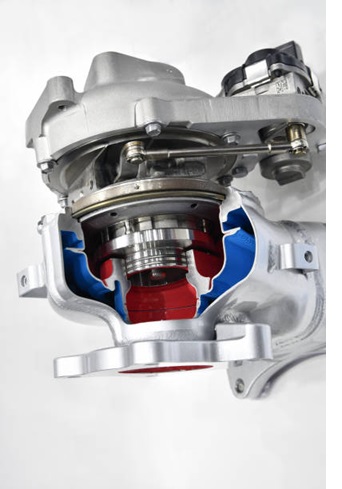
Turbocharger Diagnostic: Troubleshooting Common Issues
If your diesel engine is losing power, making unusual noises, or producing excessive smoke, the turbocharger could be the source of the problem. A proper diagnostic can help identify the issue before it becomes severe. One common symptom is a lack of power, which can result from boost leaks, a worn turbo, or blocked intake air. Inspecting intercooler hoses, listening for abnormal turbo sounds, and checking for intake restrictions are effective first steps.
Excessive smoke is another red flag, often caused by oil leaking into the exhaust, worn piston rings, or faulty turbo seals. Visual inspection for oil around the turbo, monitoring heavy exhaust smoke, and performing a compression test can help pinpoint the cause. Loud noises or whining from the turbo typically indicate worn bearings, damaged turbine or compressor wheels, or foreign object damage. Listening carefully during acceleration, inspecting the turbo wheels, and checking the oil supply quality can reveal the source.
Turbo lag may occur due to restricted exhaust flow, a failing wastegate, or an incorrectly sized turbo. Clearing exhaust restrictions, testing wastegate functionality, and verifying turbo sizing can address this issue. Similarly, overboost or boost spikes can arise from wastegate faults, boost controller problems, or vacuum/boost leaks. Testing wastegate operation, checking controller settings, and inspecting vacuum lines are essential steps.
Oil contamination is another potential problem, often caused by worn seals, crankcase pressure issues, or using the wrong oil grade. Ensuring proper oil quality, checking for leaks, and maintaining the PCV system are crucial preventive measures. Overheating of the turbocharger can occur due to insufficient oil supply, cooling system blockages, or exhaust restrictions. Checking oil flow, inspecting coolant lines, and ensuring unobstructed exhaust flow helps maintain safe operating temperatures.
Maintaining your turbocharger through regular inspections and prompt repairs is vital for diesel engine performance and longevity. If you notice any of these symptoms or are unsure about your turbo’s condition, consulting a professional at Autonic Turbo Diesel ensures accurate diagnostics and reliable solutions.
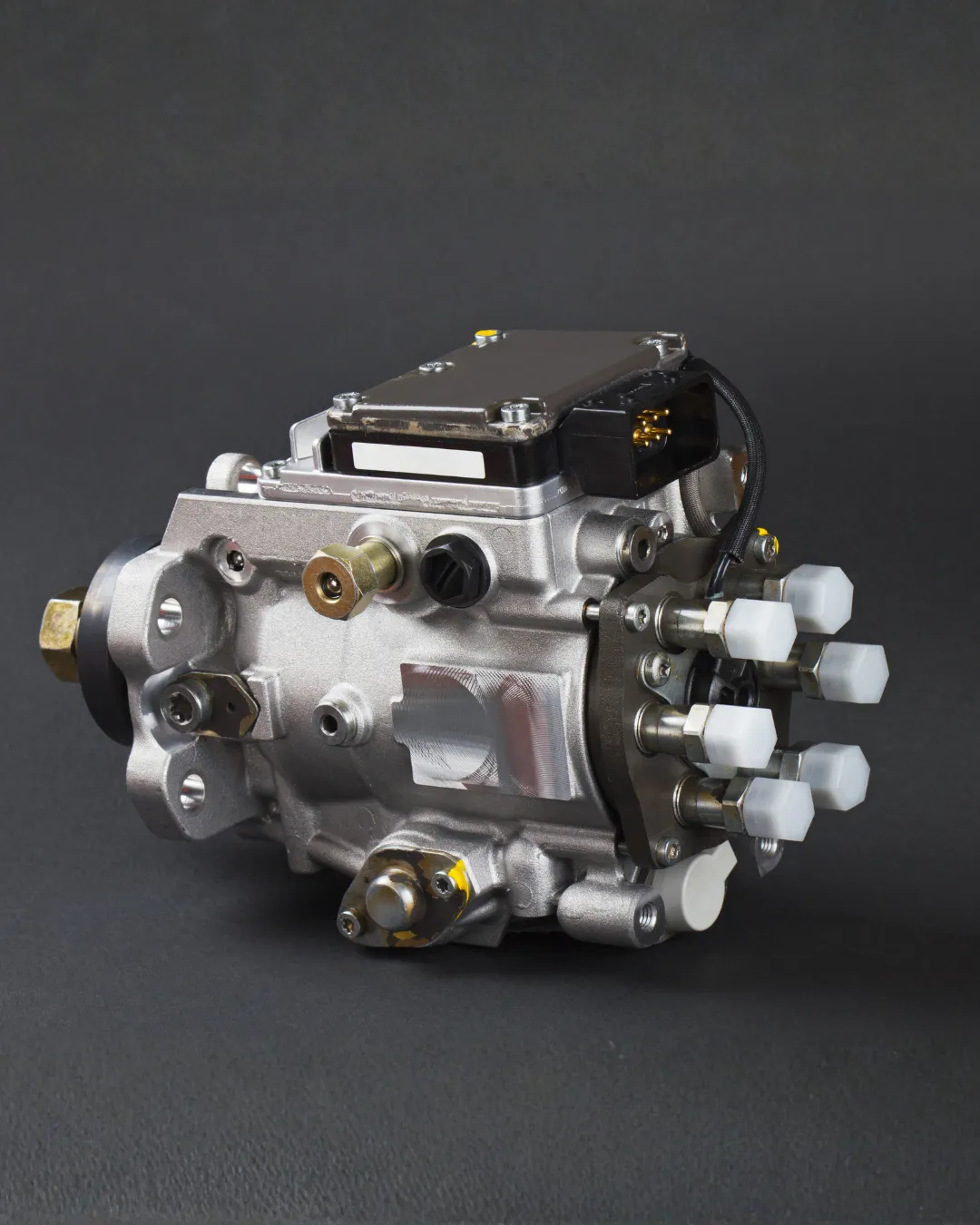
Diesel Pump Maintenance Tips for Long-Term Performance
At Autonic Turbo Diesel, your diesel pump is recognised as a crucial component for engine efficiency and longevity, and regular maintenance can help avoid costly repairs while maximising performance. Start by inspecting your pump visually and regularly for signs of leaks, corrosion, wear or damage so issues can be identified early. Using clean, high‑quality diesel and ensuring the fuel supply is free of contaminants is fundamental; this includes regularly checking and replacing fuel filters according to manufacturer recommendations to prevent blockages and maintain efficient fuel flow.
Keeping an eye on fuel levels helps prevent the pump from running dry, which can cause significant damage, while bleeding air from the fuel system ensures uninterrupted flow and prevents performance issues.
Pay attention to any unusual noises or vibrations during operation, as these can signal underlying problems that should be addressed promptly. Maintaining proper lubrication of moving parts, checking oil levels, and following lubricant change intervals all reduce friction and wear. It’s also important to keep the pump area clean so that dirt and debris don’t enter critical components, and to protect the pump from extreme temperatures with adequate insulation or ventilation to maintain consistent operation. By integrating these maintenance practices, you’ll not only protect your diesel pump but also support your engine’s overall health and efficiency over the long term.
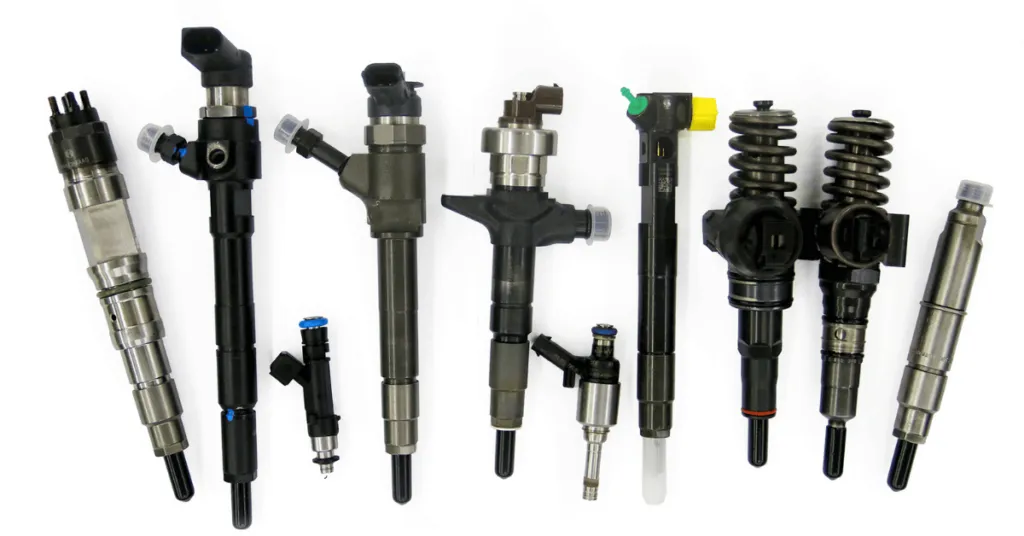
Tuning Your Turbo: Beginners Guide to Diesel Injectors
Understanding diesel injectors is essential for anyone looking to unlock better performance and efficiency from their diesel engine. Diesel injectors play a vital role in the combustion process by accurately delivering fuel into the engine’s combustion chamber, which directly impacts power output, fuel economy, and emissions. They consist of key components such as the nozzle, injector body, and control valve, and come in two main types: mechanical and electronic, with modern engines favouring electronic injectors for more precise control. Regular maintenance—such as periodic cleaning and inspection—helps prevent clogs and leaks before they affect performance. Using high‑quality diesel with the correct cetane rating supports injector longevity and optimal combustion.
Upgrading to performance‑oriented injectors can increase fuel delivery and power, while electronic tuning via the engine control module allows fine‑tuning of injector timing and fuel delivery for specific performance goals, though care must be taken to avoid over‑fueling and engine stress. Monitoring exhaust gas temperatures (EGT) is also important during tuning; excessive heat can signal issues that might harm the engine. With careful attention to these aspects, diesel injectors can be tuned to help achieve improved power, efficiency and reduced emissions, forming a key part of maximising your turbocharged diesel engine’s potential.
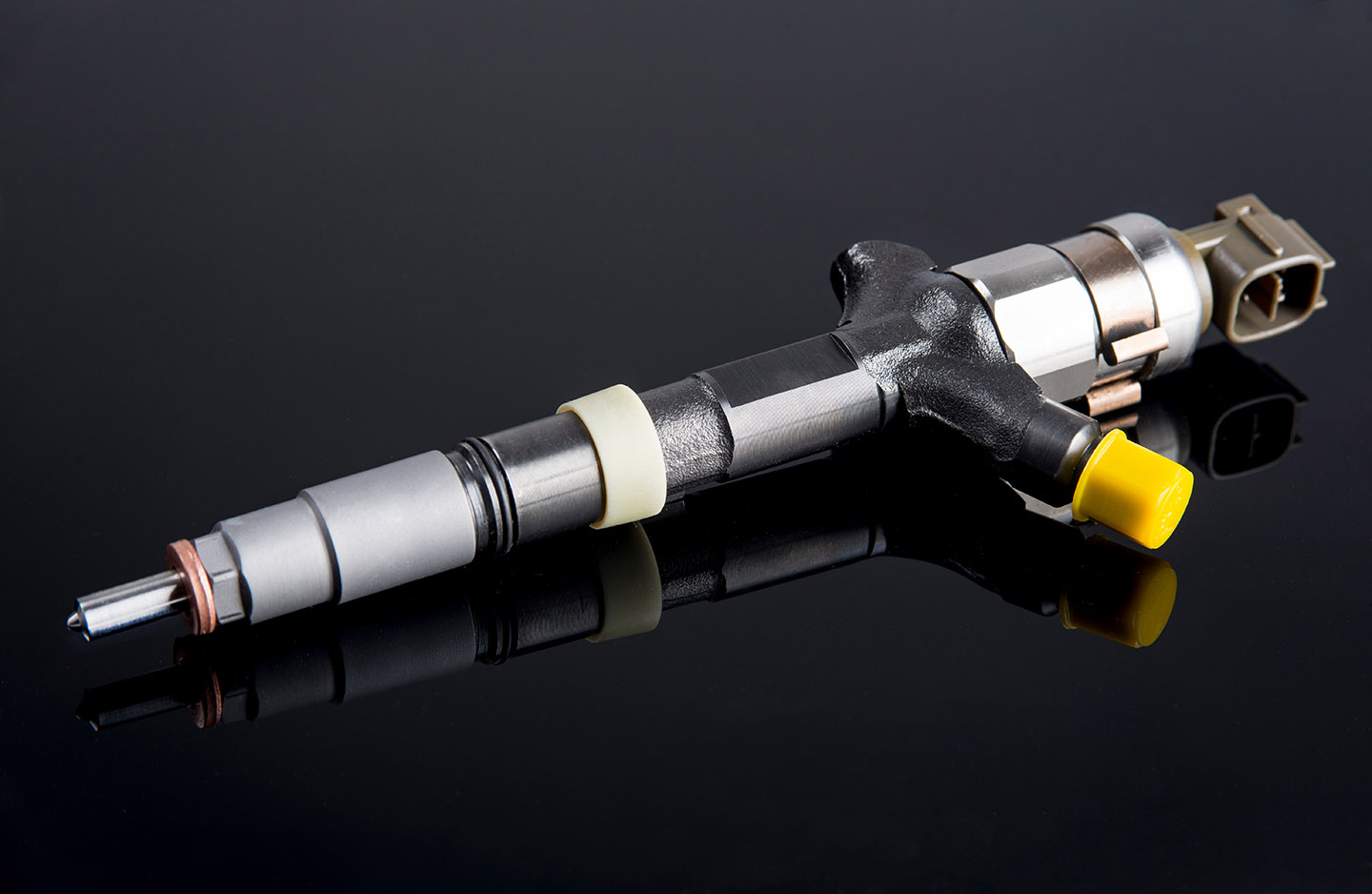
Top 10 Benefits Of Diesel Injectors
Diesel injectors are essential to the performance and efficiency of a diesel engine, helping ensure the right amount of fuel is delivered at the right time for effective combustion. By atomising fuel finely and mixing it thoroughly with air, injectors improve combustion efficiency, which boosts power and torque while also enhancing fuel economy. This precise fuel delivery contributes to lower emissions and reduced engine stress, supporting longer engine life and smoother idle stability. Injectors also allow accurate timing control and rapid throttle response, which together improve drivability. Advanced injector systems can adapt to different driving conditions and temperatures, keeping performance consistent in diverse environments, and are well‑suited to turbocharged engines where balanced air‑fuel delivery is crucial. Overall, quality diesel injectors help optimise engine performance, efficiency, and environmental impact.
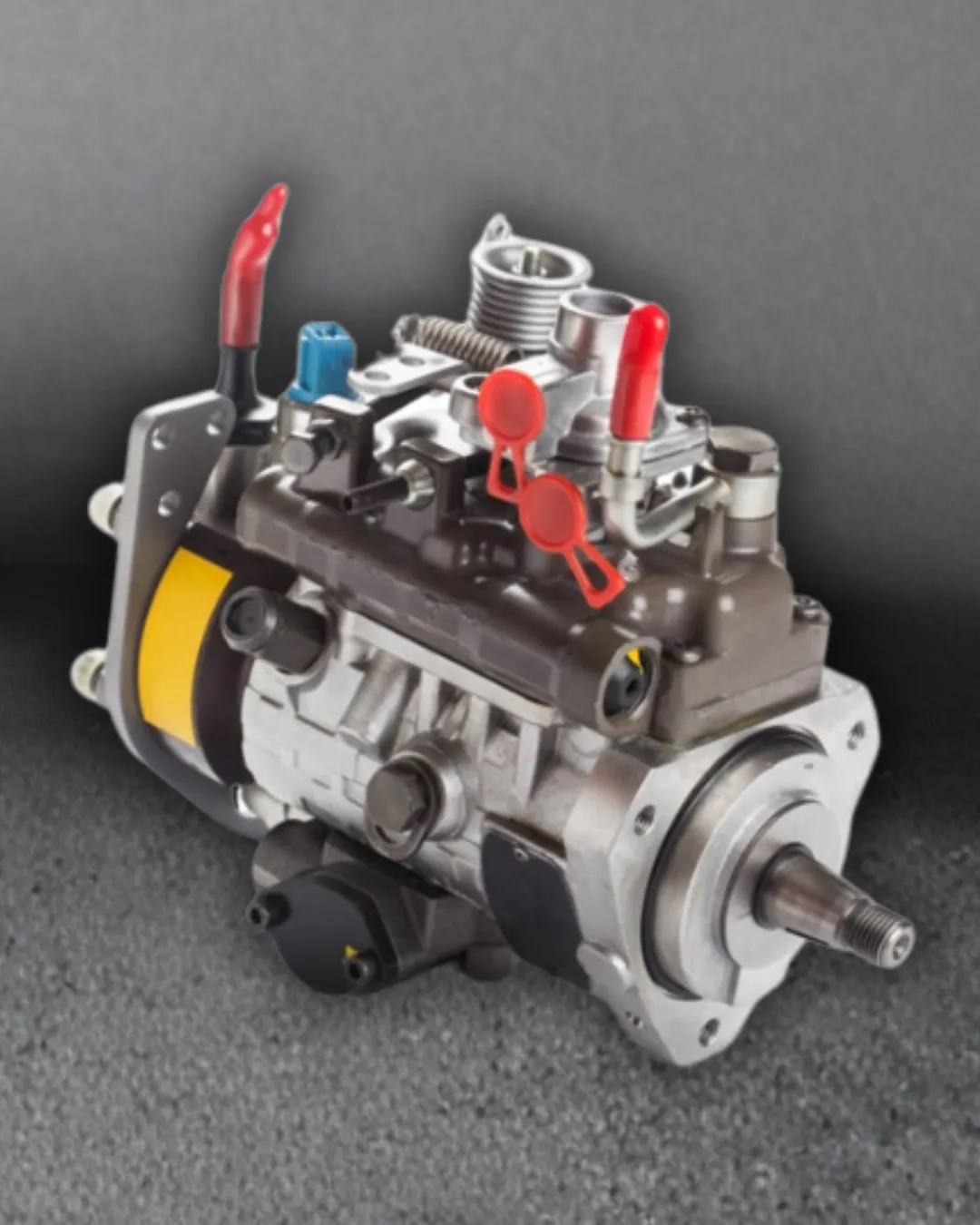
How to Maintain a Diesel Pump Efficiently
Efficient diesel pump maintenance is essential for ensuring long‑lasting performance and reliable engine operation. Start with regular visual inspections to catch early signs of leaks, corrosion, or wear before they develop into larger issues. Using high‑quality diesel fuel and monitoring or replacing fuel filters as recommended helps prevent contamination and clogging, which supports better fuel flow and protects internal components. Keeping the air intake system clean by changing air filters as needed, especially in dusty conditions, ensures optimal combustion and reduces stress on the pump.
Following manufacturer guidelines for oil changes and using the correct oil supports proper lubrication and reduces wear, while routinely checking for leaks and addressing them promptly preserves both environment and pump integrity. Monitoring the cooling system prevents overheating, and maintaining correct belt tension along with battery health ensures dependable starts and smooth operation. If your system uses glow plugs, especially in cold weather, make sure they’re functioning properly since they assist in smooth startups and reduce pump strain.
Regularly running the pump helps prevent issues that can occur with inactivity, and when storing the pump for extended periods, follow manufacturer instructions to avoid corrosion or deterioration. Finally, keeping accurate maintenance records and scheduling periodic professional servicing will help maintain peak efficiency and extend the life of your diesel pump.
COMPANY
SUPPORT
FOLLOW US
© Copyright 2026. Autonic Turbo Diesel. All Rights Reserved. Made & Hosted by BlueDot Agency (Pty)Ltd
Facebook
Instagram